
 (205) 9692-886
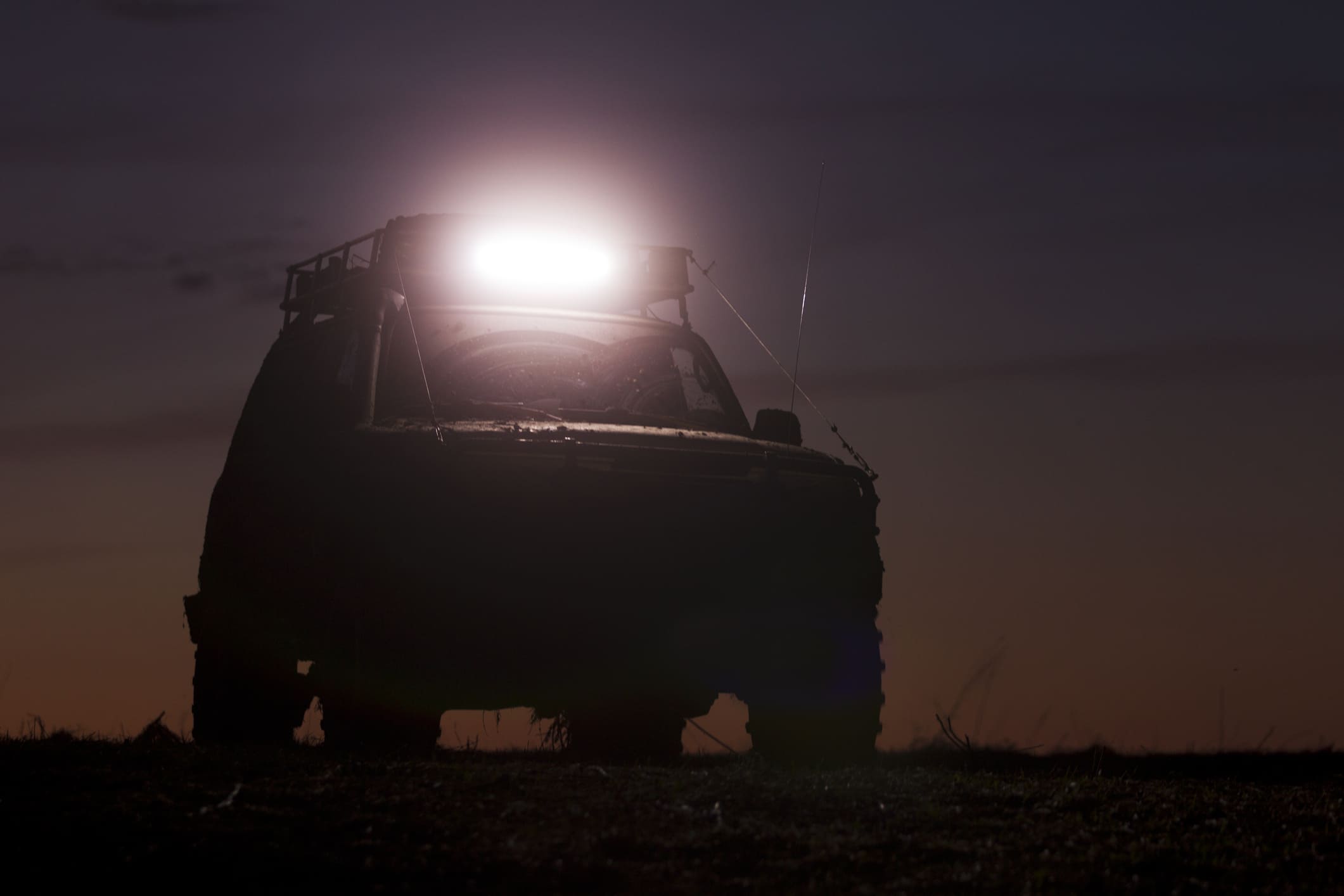
Stock headlights give you enough visibility to get home from work. They don’t give you enough to run a technical trail at Oak Mountain State Park or navigate a forest road through Bankhead National Forest after sunset. Pod lights fill that gap — small, durable auxiliary lights that mount exactly where you need them on your 4Runner, Tacoma, Tundra, GX470, Frontier, or Outback.
What’s the difference between spot, flood, and combo beam pods?
Spot beams throw light far down a narrow path — ideal for seeing what’s ahead on tight forest roads. Flood beams spread light wide at close range, which helps when you’re picking a line through rocks or checking your clearance beside a tree. Combo beam pods split the output between both patterns, making them the most versatile single light you can mount.
For most Birmingham-area overlanders running trails in Talladega National Forest or Bankhead, a pair of combos on the A-pillars or lower bumper covers the majority of situations. If you’re adding a roof rack with a light bar, dedicated floods on the hood or bumper corners work well as a complement.
Where do pod lights mount on a truck or SUV?
Common mount points are the front bumper ends, A-pillar bases, hood hinges, skid plates, and roof rack cross members. The right location depends on your rig’s existing light bar setup, your approach angle, and how much wiring you want run through the cab. A-pillar mounts are popular on 4Runners and GX models because they stay above approach angle obstacles and aim where you turn your head.
On Tacomas and Frontiers with aftermarket steel bumpers, bumper-end pods are clean because the wiring tucks directly into the bumper structure. We assess your specific platform before recommending placement so you aren’t drilling unnecessarily or creating wiring paths that will wear through.
What IP rating do I need for off-road pod lights?
IP67 is the minimum worth installing on a trail rig — it means the light survives full submersion to one meter for thirty minutes. IP68 and IP69K ratings go further, which matters if you’re crossing water features in Bankhead or running through heavy rain on Alabama’s unpredictable spring weather. All pod lights we install carry at least IP67 ratings. Baja Designs Squadron Pro and Rigid D-Series units exceed that threshold.
Beyond the light itself, the wiring connection is the weak point in most budget installs. We use weatherproof Deutsch connectors at every junction, which keeps corrosion from creeping into terminals after water crossings and trail grime.
Do pod lights require a relay and switch?
Yes — every time. Running auxiliary lights directly off a toggle without a relay pulls current through low-gauge factory wiring, which creates heat, blown fuses, and in serious cases, fire risk. A relay lets the pod lights draw current from a properly sized circuit tied directly to the battery, with the cab switch handling only the trigger signal.
We wire each pod light installation with a dedicated relay, inline fuse, and waterproof switch mounted in a clean location inside the cab. If you already have a switch panel installed, we can integrate into it. The goal is an installation that looks factory-intentional and holds up through years of trail use.
Quick Takeaways
- Pod lights mount to bumpers, A-pillars, hoods, or roof racks for targeted auxiliary illumination.
- Spot, flood, and combo beam patterns serve different purposes — choose based on trail type.
- Every pod light installation includes a relay and dedicated switch for safe, reliable operation.
- Brands stocked include Baja Designs Squadron, Rigid D-Series, and KC FLEX ERA.
If your truck isn’t lit up the way it should be for night running, stop by and we’ll walk through what your rig needs.
Frequently Asked Questions
How many pod lights does a typical off-road build need?
Most builds run two to four pods depending on whether a light bar is already installed. Two A-pillar or bumper-end pods are a solid starting point. Roof rack or hood-mount pods are often added later as a second phase once the driver identifies gaps in coverage on trail.
Can pod lights stay on during road driving in Alabama?
Alabama law requires auxiliary off-road lights to be off or covered on public roads. We can install a simple switch that makes compliance easy — off-road mode on the trail, off for the drive back through Birmingham.
Will pod lights work with my factory wiring harness?
They don’t tap into it — that’s the point. Pod lights get their own relay circuit wired to the battery. Factory harnesses aren’t designed for the load and shouldn’t carry it. Our installs keep aftermarket lighting completely separate from factory electronics.
How long does a pod light installation take?
A standard two-pod install with a single relay and cab switch typically takes two to three hours. More complex multi-light installs or builds that integrate with an existing switch panel or dual battery system take longer. We’ll give you a time estimate when you drop off.
Testimonials
Testimonials
One of the most trusted off-road performance shops in Birmingham.