
 (205) 9692-886
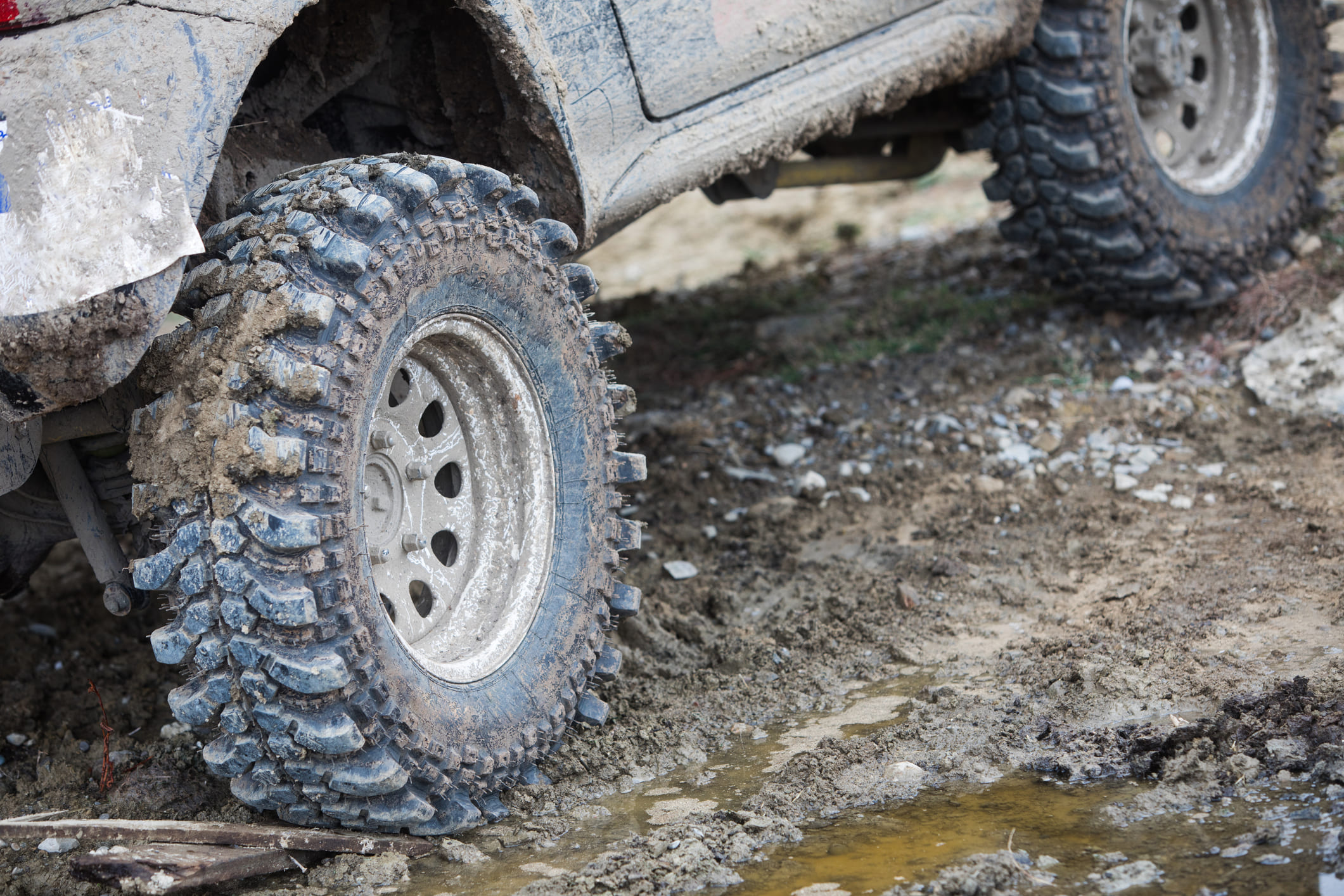
After a suspension lift, some rigs end up with tires sitting too far inside the wheel well — creating clearance issues with upper control arms or just looking wrong. Wheel spacers push the wheel outboard, widening the track and clearing suspension components that would otherwise interfere with tire rotation. Franklin Overland installs wheel spacers in Birmingham and will tell you plainly when a spacer is the right solution and when it isn’t.
Hub-centric vs lug-centric spacers — why does it matter?
A hub-centric spacer has a machined bore that matches the vehicle’s hub diameter precisely. This centers the wheel on the hub rather than relying on the lug nuts to carry centering load. Lug-centric spacers leave a gap between the hub and the spacer bore — the lug nuts take up all lateral force. Under off-road conditions, lug-centric spacers can develop looseness, vibration, and eventually failure.
For every platform Franklin Overland works with — Toyota, Lexus, Nissan, Subaru, Porsche — hub-centric spacers are the only option we install. The bore machining adds cost, but it’s the difference between a safe installation and a liability.
What spacer thickness is right for my build?
Most applications land between 15–25mm. A 15mm spacer is enough to clear a rubbing situation after a lift where the tire contacts the UCA or CV boot under full droop. A 25mm spacer creates a noticeably wider stance and is appropriate when wheel offset is significantly wrong for the intended tire width. Going above 30mm starts to change wheel bearing load geometry and requires extended studs.
Wheel spacers should be spec’d against the specific wheel offset and backspacing of the wheels being run. If you’re shopping wheels and tires at the same time, the right offset choice eliminates the need for spacers entirely — and that’s usually the cleaner solution.
Are wheel spacers safe on off-road builds?
Hub-centric spacers installed correctly on studs torqued to spec are safe for both street and off-road use. The failure modes that give spacers a bad reputation almost always trace back to lug-centric fitment, incorrect torque, or cheap casting quality. Quality spacers from reputable brands — machined from billet aluminum with anodized finish and correct hub bore — hold up on trail use when installed properly.
Re-torque after the first 50–100 miles is standard practice. Franklin Overland includes re-torque instructions with every spacer install and recommends a quick check after your first trail run.
Quick Takeaways
- Hub-centric spacers are required — bore must match the vehicle’s hub diameter exactly.
- Common range: 5–30mm; 15–25mm is the practical sweet spot for most applications.
- Wheel spacers are not a substitute for correct wheel offset — they correct specific fitment gaps.
- Torque-to-spec installation and periodic re-torque are non-negotiable for safety.
Come in with your wheel and tire specs and we’ll tell you whether spacers are the right move or whether a different offset wheel solves the problem more cleanly.
Frequently Asked Questions
Will wheel spacers affect my alignment?
Spacers push the wheel outboard and slightly change scrub radius, but they don’t change caster, camber, or toe directly. A post-spacer alignment isn’t required the way it is after a lift, but it’s worth checking alignment if you’re making multiple suspension and wheel changes at the same time.
Do wheel spacers cause wheel bearing wear?
Correctly-sized hub-centric spacers don’t significantly increase wheel bearing load. Very large spacers (40mm+) extend the lever arm enough to add measurable stress. Most 15–25mm installations on full-size trucks and SUVs don’t show premature bearing wear.
Can I run wheel spacers on a Porsche Cayenne?
Yes. The Cayenne is a popular platform for modest spacers — 10–20mm to correct fitment after an aftermarket wheel swap or to improve trail stance. Hub-centric fitment is critical on the Cayenne; the hub diameter must be matched precisely.
What's the difference between a wheel spacer and a wheel adapter?
A spacer maintains the factory bolt pattern and pushes the wheel out. An adapter changes the bolt pattern — for example, to run a wheel with a different lug count. Franklin Overland installs both, but we scrutinize adapter applications more carefully given the additional stress on the hardware.
Testimonials
Testimonials
One of the most trusted off-road performance shops in Birmingham.